

« Clothing • Fashion »

Traditional Yoruba attire, such as the flowing Agbada for men and the colorful Iro and Buba for women, is commonly worn, especially during festivals and religious occasions.

Islamic influence is also evident in the modest clothing styles preferred by many residents. The blending of these sartorial traditions creates a unique fashion culture in Ilorin.

« Landmarks • Attractions »

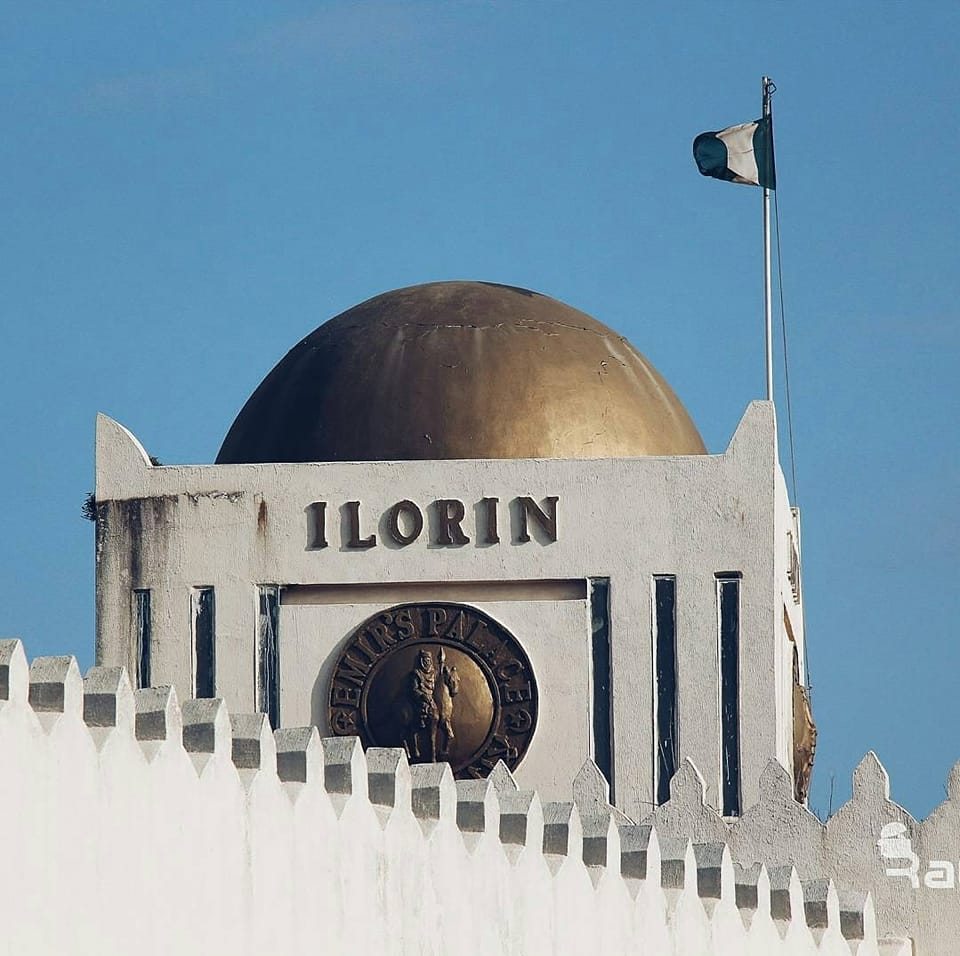
Ilorin is home to several significant landmarks and attractions that reflect its rich cultural, historical, and natural heritage. This includes the Emir’s Palace, which serves as a symbol of the city’s Islamic heritage and traditional authority, and the Ilorin Central Mosque is a significant attraction for its impressive architecture, featuring minarets and domes.

Other attractions include the Sobi Hill, offering panoramic views of the city, and the Dada Pottery, where traditional pottery techniques are still practiced. There is also Okuta Ilorin, a stone used by the first settlers of Ilorin to sharpen their tools and where the town “Ilorin” derived its name.

The culinary culture of Ilorin is a delightful blend of Yoruba and Northern Nigerian flavors. Traditional dishes such as Amala ((yam flour pudding), Gbegiri (bean soup), Ewedu (jute leaves soup), and Tuwo Shinkafa (rice pudding) are popular.

Islamic dietary laws influence the cuisine, with halal food being widely available. The city’s food culture is a testament to its diverse heritage, offering a variety of dishes that cater to different tastes.

« Music • Dance »

Music and dance are integral to Ilorin’s cultural life. Yoruba traditional music, characterized by the use of talking drums and other percussion instruments, is popular in the city.

Islamic music, including Nasheeds (Islamic devotional songs), also holds a significant place, especially during religious ceremonies and festivals. Dance forms such as the Bata dance are performed during cultural and social events, showcasing the rhythmic and expressive nature of Yoruba dance.

« Clothing • Fashion »

Traditional Yoruba attire, such as the flowing Agbada for men and the colorful Iro and Buba for women, is commonly worn, especially during festivals and religious occasions.

Islamic influence is also evident in the modest clothing styles preferred by many residents. The blending of these sartorial traditions creates a unique fashion culture in Ilorin.

« Landmarks • Attractions »

Ilorin is home to several significant landmarks and attractions that reflect its rich cultural, historical, and natural heritage. This includes the Emir’s Palace, which serves as a symbol of the city’s Islamic heritage and traditional authority, and the Ilorin Central Mosque is a significant attraction for its impressive architecture, featuring minarets and domes.

Other attractions include the Sobi Hill, offering panoramic views of the city, and the Dada Pottery, where traditional pottery techniques are still practiced. There is also Okuta Ilorin, a stone used by the first settlers of Ilorin to sharpen their tools and where the town “Ilorin” derived its name.

Ilorin’s artistic traditions are a visual representation of its cultural fusion. Traditional Yoruba art forms, such as beadwork, pottery, woodcarving, and textiles, coexist with Islamic calligraphy and architecture. The city is renowned for its skilled artisans who produce intricate leatherwork, metalwork, and woven fabrics, reflecting the rich cultural synthesis.